
Baidu’s AI Algorithm Explained: SEO Tactics That …
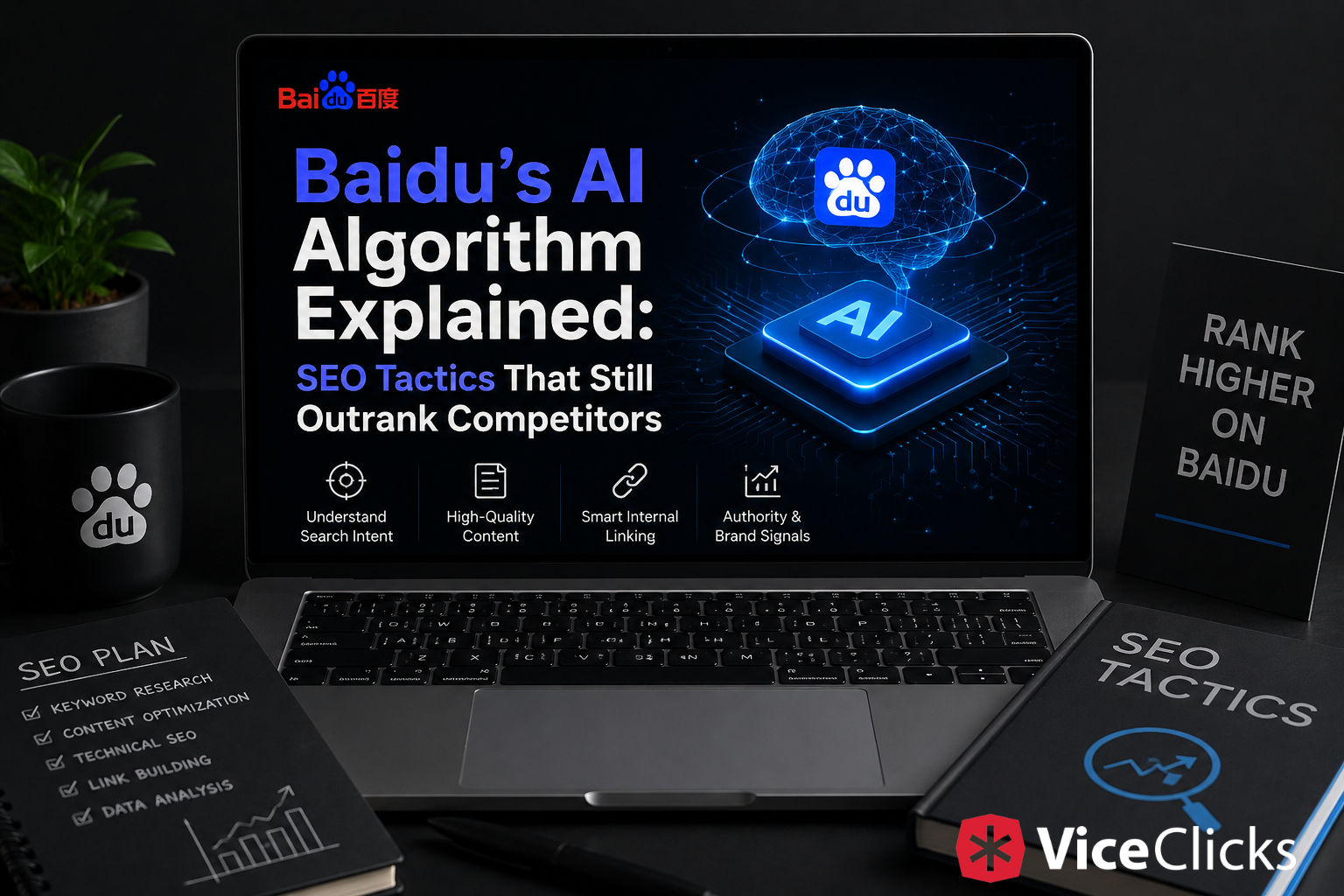
Baidu’s AI Algorithm Explained: SEO Tactics That Still Outrank Competitors
Understanding Baidu’s AI-Driven Algorithm
Baidu has evolved from simple keyword matching to a highly sophisticated AI search algorithm that interprets intent, context, and user behavior across the Chinese web. Today, Baidu’s ranking systems combine machine learning, natural language processing, and deep user data to deliver results that feel native to Chinese netizens while filtering out spam and low-quality content. For international brands targeting China, understanding how Baidu’s AI thinks is the foundation for building a sustainable Baidu SEO strategy that consistently outranks local and global competitors. Instead of chasing loopholes, successful Baidu SEO campaigns embrace the algorithm’s priorities: relevance, authority, trust, and user satisfaction in simplified Chinese. This shift means that long-term organic growth in China depends on how well your website aligns with Baidu’s AI evaluation of quality, not just how many keywords you insert into a page.
Core Baidu Ranking Signals in the AI Era
Baidu’s AI algorithm uses multiple layers of signals to decide which pages deserve top positions for competitive queries in China’s search results. Traditional on-page factors, such as title tags, meta descriptions, headings, and keyword placement, still matter, but they are now filtered through Baidu’s machine learning systems that score relevance more granularly. Off-page signals, including backlinks from reputable Chinese domains, brand searches, and mentions in authoritative ecosystems like Baidu Baike and Baidu Zhidao, reinforce trust in your content. Behavioral data, such as click-through rate, dwell time, pogo-sticking, and repeat visits from the same IP range, help Baidu’s AI refine which results deserve a stable high ranking versus temporary visibility. When planning your China SEO strategy, you should treat these signals as an interconnected matrix, where improvements in one area strengthen your overall authority in Baidu’s algorithm.
Baidu AI Ranking Signals Overview
| Signal Type | Key Elements | Impact on Baidu SEO |
|---|---|---|
| On-page relevance | Titles, headings, keyword placement, Chinese language quality | Directly influences topical relevance for target queries |
| Authority & trust | Backlinks, brand mentions, presence in Baidu ecosystem | Boosts credibility and stabilizes rankings for competitive terms |
| User behavior | CTR, dwell time, bounce rate, repeat visits | Signals whether users are satisfied with your content |
| Technical quality | Speed, mobile friendliness, crawlability, HTTPS | Ensures Baidu’s crawlers can access and evaluate pages fully |
China-Focused Content Strategy That AI Algorithms Reward
Baidu’s AI algorithm rewards content that feels genuinely local, so a winning China SEO content strategy must prioritize Chinese-language relevance over direct translations. High-performing pages address specific search intents of Chinese users, including detailed guides, practical how‑tos, and trustworthy product or service explanations tailored to local needs and regulations. Instead of stuffing keywords, aim for natural keyword optimization where your primary Baidu SEO keyword appears in titles, headings, the opening paragraph, and sprinkled contextually throughout the article. Supporting semantic terms, synonyms, and related phrases help Baidu’s AI understand topic depth, which increases your chances of ranking for wider long‑tail variations. When your content is updated regularly to reflect new data, regulations, or market shifts in China, Baidu’s algorithm interprets it as fresh and valuable for users, supporting stronger long‑term rankings.
Practical Content Optimization Tips for Baidu
Start each article with a clear explanation of the topic that includes your core Baidu SEO strategy keyword in a natural sentence. Use H2 and H3 headings to organize information so that Baidu’s crawlers and human readers can quickly scan for the sections that match their search intent. Add localized examples, references to Chinese platforms, and cultural context to signal to Baidu’s AI that your content is designed for the China market rather than simply translated from English. Combine text with visuals like charts or diagrams where appropriate, as rich content keeps users engaged longer and sends positive behavioral signals back to Baidu.
Technical SEO Essentials for Baidu’s Crawlers
Technical SEO remains a crucial pillar in outranking competitors, because Baidu’s AI cannot properly evaluate content it cannot crawl and index. Fast page speed, clean HTML, and stable hosting accessible from mainland China ensure that Baidu’s bots can reach your pages consistently without timeouts or rendering issues. Implementing a logical site architecture with clear internal links and sitemap files helps Baidu discover all key URLs, especially those targeting core Baidu SEO keywords for your niche. Mobile friendliness is non‑negotiable, as the majority of Chinese users access search via smartphone and Baidu’s algorithms heavily favor sites that deliver smooth mobile experiences. Secure protocols such as HTTPS, along with correct canonical tags and minimal duplicate content, help Baidu’s AI trust your site’s structure and avoid index bloating.
Technical Checklist for Baidu SEO
To stay ahead of competitors, periodically audit your technical foundation with a checklist that covers page speed, mobile responsiveness, crawl errors, broken links, and server response times. If you are unsure about specific technical standards or best practices, you can review documentation on search engine guidelines from high authority sites like Google’s SEO Starter Guide, then adapt relevant principles for Baidu and the China market. While Baidu’s AI algorithm is distinct, global technical SEO fundamentals still reinforce the performance and stability of your China‑focused SEO strategy.
User Experience Signals Baidu’s AI Watches Closely
Baidu’s AI algorithm pays close attention to how users interact with search results and the pages they visit after clicking. When searchers click your result, stay on the page, scroll through sections, and interact with elements, Baidu interprets these behaviors as positive satisfaction signals. Conversely, if users bounce quickly back to SERPs, Baidu’s systems may conclude that your content is irrelevant or low quality for that query, which gradually erodes your rankings. To strengthen user experience, focus on clear layouts, fast loading, accessible navigation, and concise yet rich explanations that directly satisfy the search intent. Integrating calls to action, internal links, and related resources can keep visitors exploring your site longer, further reinforcing positive UX signals in Baidu’s data.
Designing for Engagement and Retention
Create page structures where the main answer or value proposition appears near the top, followed by deeper explanations for users who want more detail. Use headings, short paragraphs, and visual elements to reduce cognitive load so Chinese readers can quickly decide whether your content solves their problem. Pay attention to mobile UX in particular, optimizing font sizes, spacing, and tap targets to reduce frustration and increase dwell time on smartphones.
Future-Proof Baidu SEO Tactics to Outrank Competitors
Because Baidu’s AI algorithm continues to evolve, future‑proof SEO tactics focus on principles that will remain important even as specific signals or weights change. Investing in high‑quality Chinese content, technical excellence, and trustworthy authority building ensures you are aligned with Baidu’s long‑term goal of serving the best possible results to users. Regularly monitoring performance metrics, such as rankings, organic traffic, and conversion rates, allows you to refine your China SEO strategy based on real data rather than assumptions. Staying informed about changes in Chinese regulations, industry trends, and user behavior helps you adjust messaging and targeting before competitors react. Most importantly, treat Baidu SEO as an ongoing optimization process, not a one‑off campaign, so your site continues to outrank rivals as the algorithm grows smarter.
Leveraging Professional China SEO Services
For brands that lack internal expertise or resources, partnering with specialists who understand Baidu’s AI algorithm and the China market can accelerate results considerably. Working with a dedicated China SEO service provider ensures your technical setup, content strategy, and link‑building plans are all aligned with Baidu’s evolving requirements. If you want a structured approach to Baidu optimization, you can explore professional support at China SEO Service, where campaigns are tailored specifically to the nuances of Chinese search.
Summary: Turning Baidu’s AI Into Your Competitive Advantage
Baidu’s AI‑driven search algorithm rewards brands that deliver relevant, trustworthy, and technically sound experiences to Chinese users. By focusing on on‑page optimization, authority building, technical strength, and user experience, you can design a Baidu SEO strategy that consistently outranks competitors rather than relying on short‑term tricks. Treat Baidu’s evolving algorithm as a guide for long‑term quality improvements and align your content with the real needs of China’s search audience. When you combine these principles with ongoing measurement and strategic adjustments, Baidu’s AI becomes a powerful ally in growing sustainable organic visibility in the Chinese market.