
How Startups Can Use Mass Messaging Solutions
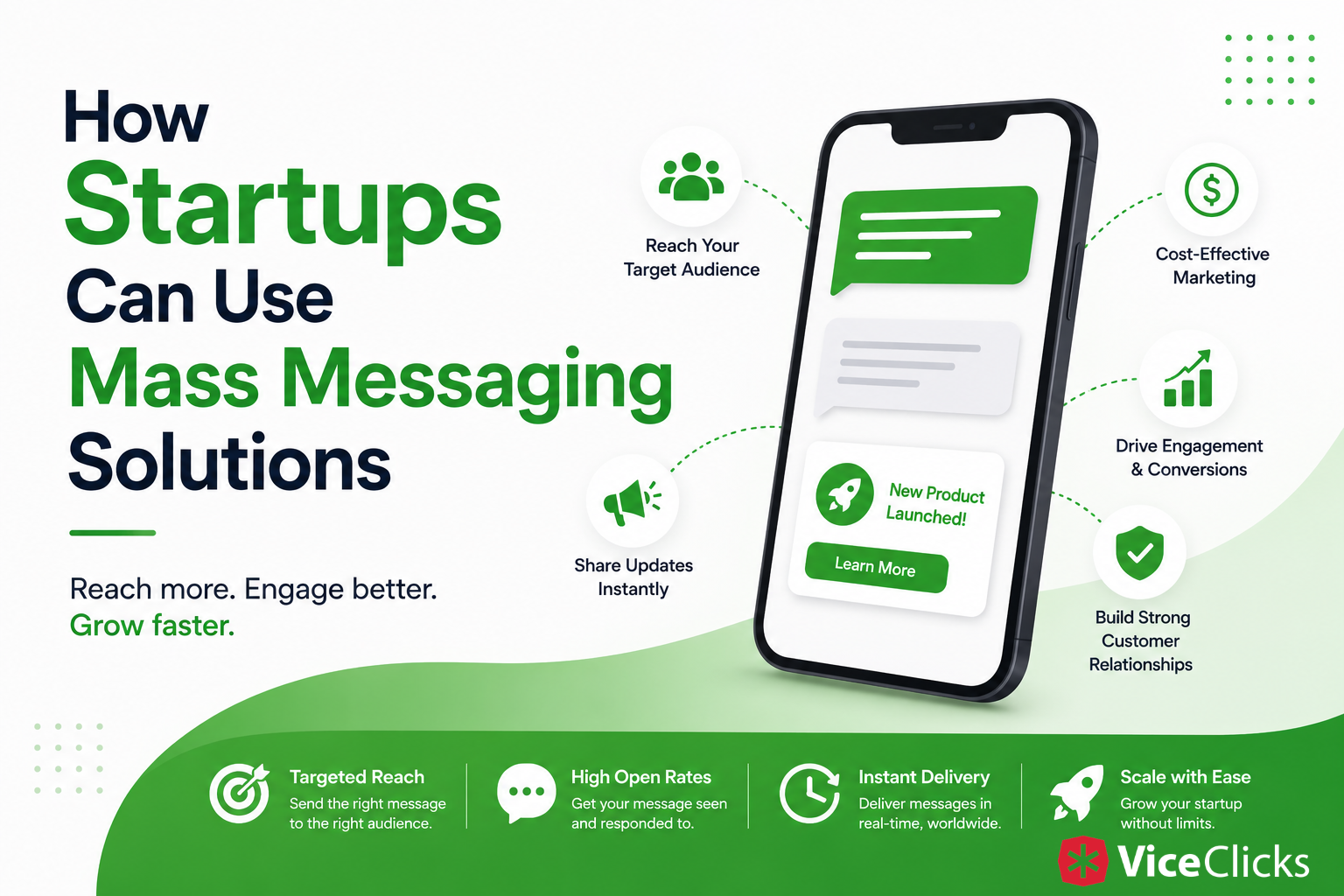
Summary: Early‑stage founders need channels that are fast, measurable and affordable. Mass messaging solutions—SMS, WhatsApp, email and voice broadcasting—give startups the ability to reach thousands of people instantly, test offers quickly and build relationships without huge ad budgets. This guide shows how lean teams can use mass messaging for acquisition, onboarding, retention and upsell, and how to connect these campaigns with telemarketing and product workflows for sustainable growth.
- Why mass messaging matters for startups
- Core mass messaging channels startups can use
- Use case 1: Lead generation and list building
- Use case 2: Fast onboarding and activation
- Use case 3: Retention, re‑engagement and win‑back
- Use case 4: Upsell and cross‑sell on a lean budget
- Best practices for startups using mass messaging solutions
- Implementing mass messaging with wBlast
- Resources
Why mass messaging matters for startups
Startups typically face three constraints: limited cash, limited time and limited brand awareness. Mass messaging solutions directly address these challenges by giving founders a way to reach many people at once, gather quick feedback and drive measurable actions.
Unlike broad brand advertising, mass messaging is focused on specific audiences and clear outcomes—sign‑ups, demo bookings, purchases, referrals—making it ideal for lean growth experiments and early traction campaigns.
Core mass messaging channels startups can use
“Mass messaging” is a broad term. For startups, the most practical channels are SMS, WhatsApp (and similar apps), email and voice broadcasting. Each plays a different role in your communication stack.
SMS and text messaging
- High attention. SMS messages are often read quickly, which is valuable for time‑sensitive offers and reminders.
- Simple, direct copy. Limited characters force clarity and focus on one main action.
- Widely accessible. No app downloads required; almost every phone can receive texts.
WhatsApp and chat apps
- Rich media. You can send images, documents, buttons and quick replies to make campaigns more interactive.
- Conversational feel. Messages look and feel like regular chats, which supports two‑way communication.
- Global reach. In many countries, chat apps are the default communication channel.
Email campaigns
- Long‑form storytelling. Emails allow deeper explanations, product education and narratives.
- Easy segmentation. Most email tools make it simple to segment lists and automate sequences.
- Cost‑effective. Sending large volumes of email is generally inexpensive, which suits startup budgets.
Voice broadcasting and calls
- Strong presence. Voice messages and calls are harder to ignore than digital notifications.
- Emotional nuance. Tone of voice can convey urgency, empathy or excitement more clearly.
- Bridge to telemarketing. Voice outreach can invite listeners to press a key and connect with an agent immediately.
Use case 1: Lead generation and list building
Startups need qualified leads—from early adopters, beta users, partners or customers. Mass messaging solutions help you build and nurture lists without relying solely on paid ads.
Practical tactics
- Event and webinar follow‑up. Collect phone numbers or WhatsApp opt‑ins during sign‑up, then send reminder blasts and post‑event offers.
- Landing page lead magnets. Offer guides, templates or discounts in exchange for contact details, then use SMS or email to deliver and nurture.
- Referral campaigns. Encourage existing users to share a simple link or keyword via chat to invite friends into your list or app.
Why it works for startups
- Lower acquisition costs. You pay once to acquire a contact, then re‑use mass messaging to engage them over time.
- Rapid experimentation. You can quickly test different value propositions or calls‑to‑action and measure response.
- Direct connection. Owning your lists gives more control than relying entirely on social platforms or marketplaces.
Use case 2: Fast onboarding and activation
Acquiring users isn’t enough; they must activate—complete key actions that deliver value. Mass messaging is a powerful way to guide new users through onboarding flows.
Practical tactics
- Step‑by‑step activation sequences. After sign‑up, send short messages that highlight one simple next step—complete profile, connect a data source, try a feature.
- Welcome series. Use email and chat messages to introduce key features, share quick wins and invite users to ask questions.
- Time‑based nudges. If a user hasn’t logged in or used a feature within a few days, trigger a friendly reminder with a clear benefit.
Why it works for startups
- Higher product adoption. Users who understand your product quickly are more likely to stay and pay.
- Reduced support load. Proactive guidance reduces basic “how do I…?” questions.
- Stronger customer experience. Structured onboarding feels intentional and supportive, not random.
Use case 3: Retention, re‑engagement and win‑back
Churn is deadly for startups. Mass messaging solutions help re‑engage users before they disappear and win back those who have gone quiet.
Practical tactics
- Usage‑based alerts. When usage drops or key actions stop, send messages offering help, tips or new value.
- Feature announcements. Notify users when you release features that fix previous pain points or add requested capabilities.
- Win‑back offers. For lapsed users, run targeted campaigns with clear reasons to return—free trials, extended credits, or upgrade paths.
Why it works for startups
- Protects early cohorts. Keeping your first users engaged gives better word‑of‑mouth and case studies.
- Improves unit economics. Higher retention and repeat usage improve customer lifetime value.
- Provides feedback. Responses to re‑engagement messages reveal why users leave and how to fix it.
Use case 4: Upsell and cross‑sell on a lean budget
As customers succeed with your product, upsell (higher tiers) and cross‑sell (related products) become key growth levers. Mass messaging lets you reach many existing customers with relevant offers without heavy sales overhead.
Practical tactics
- Usage‑triggered upgrade prompts. When customers hit plan limits or repeatedly use advanced features, send targeted messages explaining how an upgrade helps.
- Contextual cross‑sell campaigns. Offer add‑ons that align with their current use, rather than generic bundles.
- Seasonal and milestone promos. Celebrate anniversaries or big achievements with special offers tied to higher‑value plans.
Why it works for startups
- Revenue from the base. You grow by helping existing customers succeed more, not just finding new ones.
- Affordable sales motion. Automated mass messaging pitches keep your human sales efforts focused on the warmest leads.
- Scalable patterns. Successful upsell flows can be replicated across segments and markets.
Best practices for startups using mass messaging solutions
Mass messaging can be powerful, but misused it becomes spammy and ineffective. Startups need disciplined practices to keep campaigns useful, compliant and human‑friendly.
Be clear on value and intent
- One main goal per message. Decide whether you want a sign‑up, activation step, reply or purchase, and build the message around that.
- Lead with benefits. Highlight what the recipient gains—saved time, better results, exclusive access—before you ask for action.
- Avoid clutter. Keep messages concise; long or confusing copy hurts response rates.
Respect consent and frequency
- Collect explicit opt‑ins. Make sure people understand what they’re signing up for and how often they’ll hear from you.
- Offer easy opt‑outs. Include simple instructions to stop messages, and honour them immediately.
- Set sensible limits. Define maximum sends per week and adjust based on engagement patterns.
Measure, test and improve
- Track key metrics. Monitor delivery, open, click and conversion rates for each campaign.
- A/B test messages. Experiment with different subject lines, CTAs, send times and formats.
- Use learnings across channels. Insights from SMS can improve email copy, and vice versa.
Implementing mass messaging with wBlast
To use mass messaging solutions effectively, startups need tools that manage campaigns, track results and integrate with existing workflows. The goal is to run coordinated outreach without overwhelming a small team.
Steps to get started
- Set goals and KPIs. Choose clear outcomes: number of sign‑ups, activation rate, retention lift or upsell revenue.
- Choose priority channels. Start with one or two channels (e.g., SMS and email) before layering in voice and chat apps.
- Build simple sequences. Create straightforward flows for onboarding, re‑engagement and promotions, then refine over time.
Platforms like wBlast can help startups coordinate mass messaging and telemarketing in one place, making it easier to send smart blasts, track engagement and follow up with high‑value leads without large teams or complex integrations.
Resources
- wBlast — Mass Messaging & Telemarketing — a solution tailored for teams that want to combine mass messages with live calls for growth.
- Ahrefs: How to Format a Blog Post — a high‑authority guide to blog formatting and on‑page structure that also applies to messaging‑driven content and landing pages.
Closing thoughts
Mass messaging solutions give startups leverage. When you combine targeted SMS, email, chat and voice with thoughtful workflows and respectful practices, you can acquire users, activate them, keep them and grow revenue—without needing a huge marketing budget or a massive sales team. Start small, measure everything, and treat every message as a chance to deliver real value rather than noise.